Safety Gate is the EU rapid alert and information exchange system for dangerous non-food consumer products, formerly known as RAPEX (Rapid Exchange of Information System). Among Safety Gate notifications there is one category of risk that is invisible and intangible, yet can take an entire production batch off every shelf — chemical and environmental risk. This review focuses on the 109 chemical and environmental recall cases filtered from the 2026 electrical and electronic notifications: 94 of the products concerned breached the RoHS Directive, with further notifications for breaches of the REACH and POPs Regulations. Restricted substance control has become a hidden threshold for Chinese electronics exports.
Chemical and environmental notifications | RoHS breaches | Highest measured lead in solder
109 | 94 | 37.9% (limit 0.1%)
01 Overview: Nordic authorities are the strictest
By notifying country, Sweden (53), Luxembourg (18), France (about 10), Latvia (8) and Ireland and Norway (4 each) account for the largest share. Northern European countries inspect chemical compliance far more intensively than those in the south, making them a genuine high ground of substance control.
By product, those notified are almost all small items: button cell products (11), LED decorative lights, portable mini fans, gaming mice, Bluetooth speakers, solar lamps and various cables. The common problem is that solder joints, PVC cable material and small plastic parts — the corners that are easily overlooked — are precisely where restricted substances most often exceed limits.
02 Risk review: four high-risk substances
Substance | Common carrier | Highest measured this period | Main regulation breached
Lead (Pb) | Solder joints, solder | 37.9% | RoHS 2
Cadmium (Cd) | Solder, plastics | 0.175% | RoHS 2 / REACH
Phthalates (DEHP/DBP) | PVC cable, soft plastics | 13.8% / 3.8% | REACH
Short-chain chlorinated paraffins (SCCP) | Plastics, coatings | Detected in multiple models | POPs Regulation
Lead is the most widespread problem. In most of the 109 cases the risk description mentions excessive lead in solder joints, with measured values tens or even hundreds of times the 0.1% limit and a maximum of 37.9%. The root cause is usually the use of non-compliant lead-free solder or reclaimed solder.
Phthalates and SCCP are concentrated in cables and plastic parts.
If plasticiser control in PVC cable material is inadequate, DEHP content can reach 13.8%. SCCP is a persistent organic pollutant expressly restricted by the POPs Regulation, and once detected it attracts the most severe market measures.
03 Typical cases
Case 1 | Handheld mini fan (notified by Luxembourg) · lead, cadmium and phthalates all over the limit
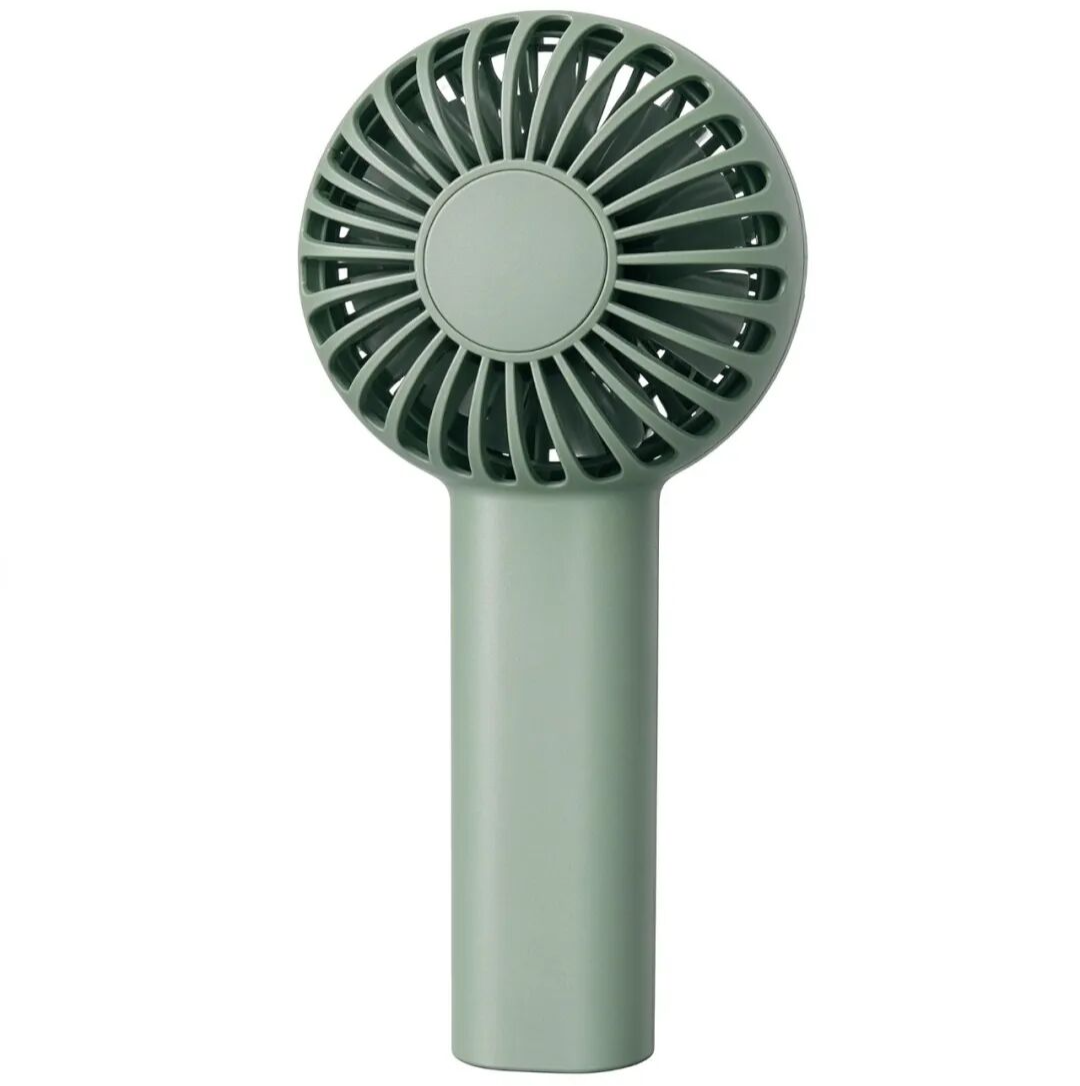
Problem: the bend relief on the charging cable contained 37% lead, 0.0122% cadmium and 7.9% DEHP — three substances over the limit at once. Outcome: breach of RoHS 2 and REACH; the product was withdrawn from the market.
Case 2 | Antenna cable (notified by Sweden) · phthalates and SCCP
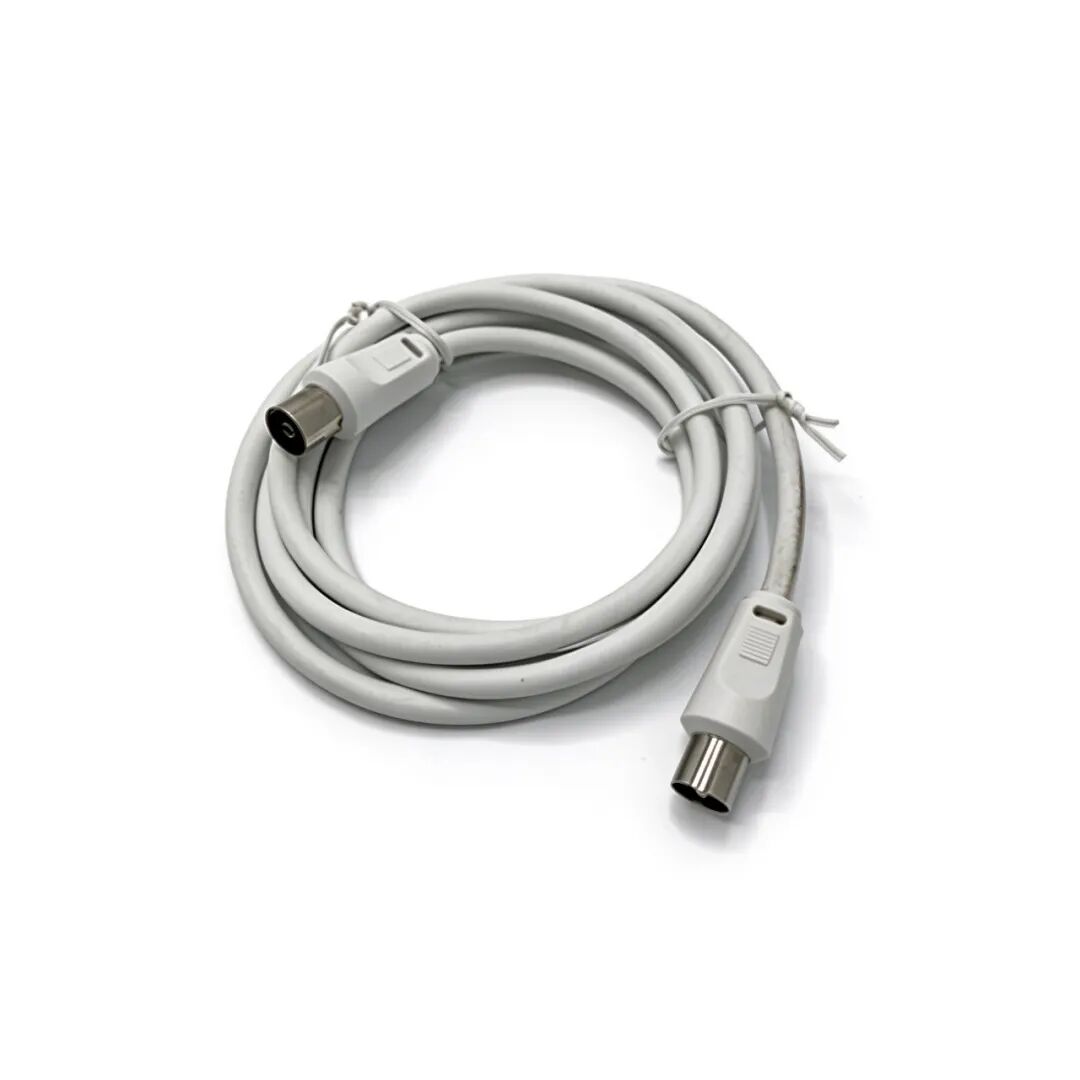
Problem: DEHP measured as high as 13.8% in the plastic material, with short-chain chlorinated paraffins (SCCP) also detected. Outcome: breach of the REACH and POPs Regulations; mandatory withdrawal.
Case 3 | Electric kettle (notified by Germany) · SCCP risk

Problem: the importer's product of the same model was found to exceed the SCCP limit, and it could not be ruled out that the same problem affected the batch in question. Outcome: recall under the POPs Regulation. Lesson: the risk of “guilt by association” across products of the same platform and series is real.
04 Recommendations for manufacturers
We recommend that companies:
1. Apply full-chain RoHS, REACH and POPs control to high-risk materials such as solder, plastics and cable, focusing on lead, cadmium, phthalates and SCCP;
2. Require suppliers to sign declarations on restricted substances, and carry out regular quantitative chemical spot checks or full inspection of incoming materials;
3. Maintain a register of materials and substances, and re-verify whenever a supplier or formulation is changed;
4. Complete third-party chemical testing before export, and never ship products that exceed limits.
NTEK testing services
• We have full-scope testing capability for RoHS 2.0, REACH SVHC and POPs, and can provide XRF rapid screening, quantitative chemical analysis, supply chain substance control programmes and EU regulatory alerts;
• Testing of substances on the REACH restriction list and safety data sheets (SDS);
• SCIP notification training and coaching;
• Regulatory and corporate response training and advisory services.
Disclaimer: the data in this article is compiled from publicly available EU Safety Gate notifications and is provided for risk awareness and industry exchange only; it does not constitute legal advice. Product images are taken from public notification materials and remain the copyright of their respective owners. Please refer to the latest official texts for regulatory limits.









 WeChat Official Account
 Submit successfully